Per-seat pricing is wrong for operational AI
The seat was the right unit for software that people use. An operator is not software that people use. It is software that works — around the clock, whether anyone is looking or not. Pricing it by who watches gets the incentives exactly backwards.
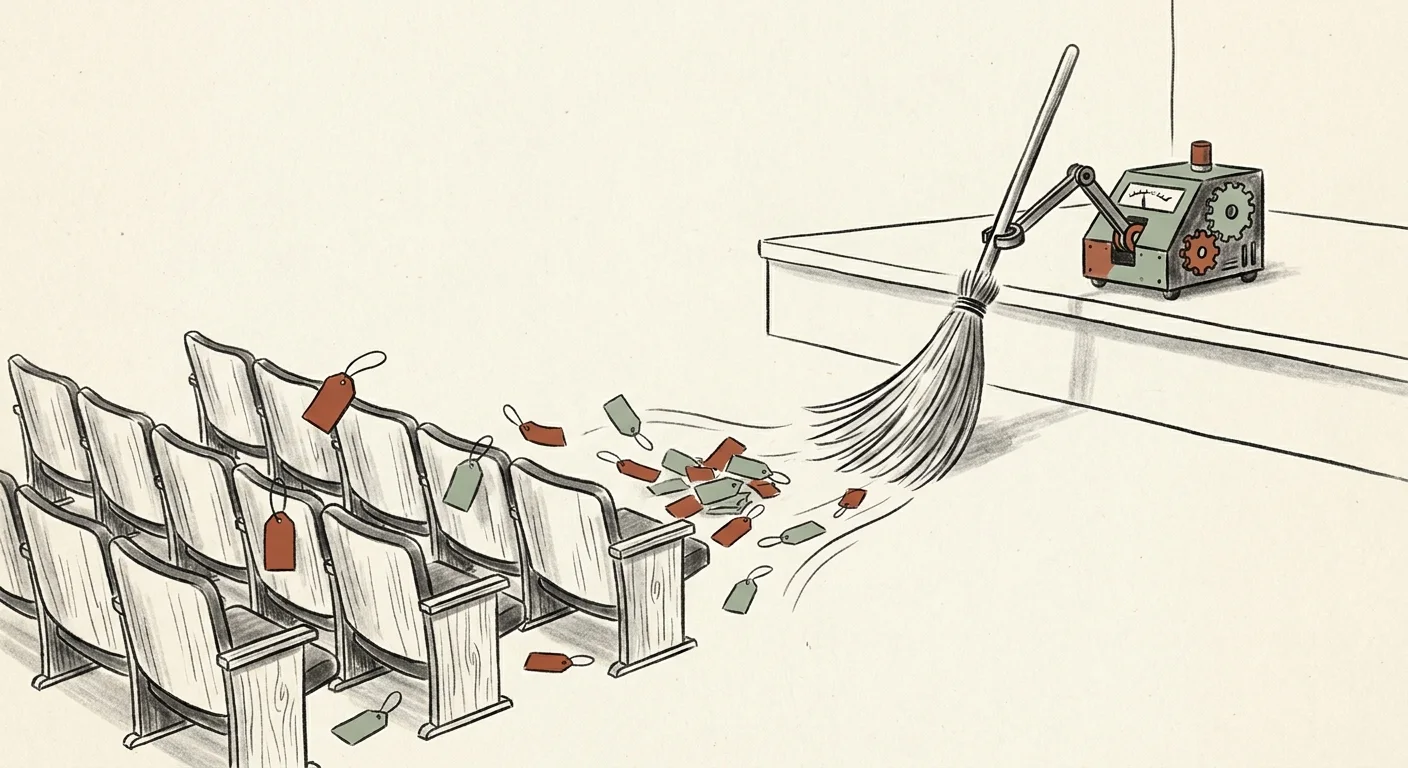
Per-seat pricing made sense for the software it grew up with. A word processor delivers value through the person typing. A CRM delivers value through the rep working the pipeline. The seat is the unit of value because the human is the engine, and the software is the tool in their hands. Count the hands, and you have counted the value.
The operational-AI thesis is that value can be produced while nobody is logged in. BearScope is the live product proof point; building actuation remains a managed reference pattern. Supported action paths should retain execution records for human review.
What the seat actually measures
Apply per-seat pricing to operational AI and watch what it rewards. The bill grows when more people log in to look. So the vendor is paid for attention — for dashboards compelling enough that everyone wants an account — rather than for outcomes. The customer, meanwhile, is punished for exactly the behavior good operations require: giving the night shift access, giving finance access to the receipts, giving the auditor a login. Every additional pair of eyes on the system becomes a line item, so organizations ration visibility to control cost. Rationed visibility is how operational surprises happen.
Worse, per-seat pricing quietly asserts that the product's job is to be watched. We think the opposite. If your team is spending more time in our interface this quarter than last, something is probably wrong — with the operator's tuning, with the underlying system, or with us.
The unit that matches the work
Fibric’s indicative planning model does not add per-seat charges. There is no public self-service checkout or binding rate card today; managed scope and commercial terms are confirmed in a quote.
The kernel: sensing, reasoning, and the deterministic executor with its receipts. The substrate everything runs on.
Five live BearScope catalog paths; other listings, including BACnet, are managed early access.
The named workers doing the sensing and reasoning against your operation, continuously.
Governed effects on the real world, each one gated, idempotent, and receipted.
No per-seat line item in the current indicative model. Contractual access terms depend on the managed scope.
These units scale with the operation, which means they scale with the value delivered. Run one operator over one connector and pay for that. Run twelve operators across a portfolio of buildings and pay for that. The bill tracks the work, and the work is inspectable — every governed action has a receipt, so the invoice and the audit trail describe the same reality.
Aligned in both directions
This alignment cuts both ways, and the second direction matters more than vendors usually admit. Because we charge for what runs, we carry a standing incentive to keep what runs lean. Fibric's architecture is deliberately thin — a small kernel with swappable seams rather than a sprawling estate of services — because our margin depends on the platform costing little to operate, not on your headcount growing. A vendor paid by the seat profits from your org chart. A vendor paid for governed work profits from doing that work efficiently. Only one of those incentives points at engineering.
There is also a trust argument. Operational AI asks organizations to let software act on physical and commercial systems. That ask deserves maximum scrutiny, which means the receipts, the policies, and the live state should be visible to as many people as the customer wants — legal, finance, engineering, the floor. A pricing model that taxes scrutiny undermines the very oversight that makes autonomy acceptable. Ours makes scrutiny free, because scrutiny is how this category earns the right to exist.
The seat had a good run. For operational AI, the honest unit is the work itself: what sensed, what reasoned, what acted, and what it can prove it did. That is what we meter, and that is all we meter.
Keep reading: A proposed low-fee marketplace model · The dashboard didn't fix anything